
Welcome to a journey through the heart of Fort Lauderdale's commitment to effective medical waste management. Nestled amidst the charm of this coastal city lies a vital endeavor: the conscientious handling of medical waste. In Fort Lauderdale, the management of medical waste is not merely a necessity but a testament to the city's dedication to public health and environmental stewardship. With a burgeoning healthcare sector and a growing population, the need for robust waste management practices has never been more pronounced. Join us as we uncover the intricacies of medical waste management in Fort Lauderdale, exploring the innovative solutions and collaborative efforts driving sustainable practices and safeguarding the city's well-being for generations to come.
Understanding the Challenges
A. In Fort Lauderdale, the
management of medical waste faces challenges due to the significant volume and
diverse nature of waste generated by healthcare facilities. From hospitals to
clinics, the range of waste, including hazardous materials, necessitates
efficient handling and disposal methods.
B. Regulatory requirements
in Fort Lauderdale impose stringent standards for medical waste management,
demanding compliance from healthcare institutions and waste management
entities. Adhering to these regulations ensures the safe handling,
transportation, and disposal of medical waste, safeguarding public health and
environmental integrity.
C. Environmental and
public health concerns loom large in Fort Lauderdale's medical waste management
landscape. Improper disposal of medical waste can lead to contamination of
soil, water, and air, posing risks to ecosystems and human populations.
Addressing these concerns requires comprehensive strategies that prioritize
sustainability and community well-being.
Fort Lauderdale's Initiatives
In response to the pressing need
for effective medical waste management in Fort Lauderdale, the city has
implemented a series of proactive initiatives. Collaborative efforts between
local government bodies, healthcare facilities, and waste management companies
have been instrumental in developing comprehensive strategies. These
initiatives encompass strict guidelines for waste segregation, transportation,
and disposal, ensuring the safe and responsible management of medical waste
throughout the city. Moreover, Fort Lauderdale has embraced sustainable
practices, promoting waste reduction measures within healthcare institutions
and integrating innovative technologies such as recycling and waste-to-energy
solutions to minimize environmental impact. These initiatives underscore Fort
Lauderdale's commitment to fostering a safe, healthy, and sustainable
environment for its residents and visitors alike.
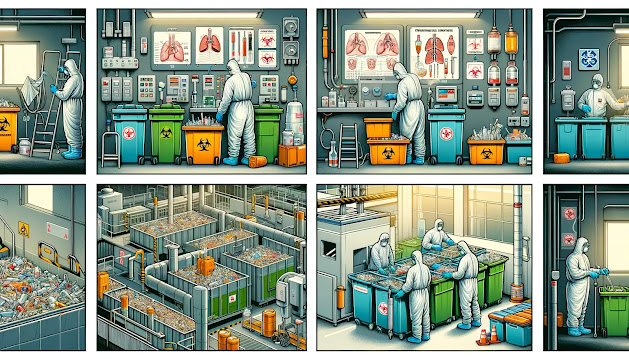
Overcoming Challenges and Future Outlook
A. Despite progress,
medical waste management fort Lauderdale still faces obstacles and areas for
improvement. Challenges include optimizing waste segregation processes,
enhancing public awareness about proper disposal methods, and addressing
logistical constraints in waste transportation. By identifying and
acknowledging these obstacles, stakeholders can develop targeted solutions to
streamline operations and enhance overall efficiency.
B. Potential solutions and
strategies for medical waste management fort Lauderdale involve leveraging
technology for better tracking and monitoring of waste, implementing training
programs to ensure compliance with regulations, and fostering partnerships between
healthcare facilities and waste management companies to improve collection and
disposal processes. Additionally, investment in research and development of
innovative waste treatment technologies can lead to more sustainable and
cost-effective solutions.
C. The vision for the
future of medical waste management in Fort Lauderdale revolves around achieving
greater sustainability, efficiency, and safety. This entails transitioning
towards a circular economy model where waste is minimized, reused, and recycled
wherever possible. By embracing emerging technologies and fostering a culture
of innovation, Fort Lauderdale aims to become a global leader in medical waste
management, setting new standards for environmental responsibility and public
health protection.
In conclusion, the journey
through Fort Lauderdale's blueprint for safe and sustainable medical waste
handling underscores the city's unwavering commitment to safeguarding public
health and preserving its natural environment. By implementing stringent regulations,
fostering collaborative partnerships, and embracing innovative technologies,
Fort Lauderdale has emerged as a beacon of excellence in medical waste
management. However, the journey does not end here. Click here to know about
it, as continued efforts are needed to overcome remaining challenges, implement
effective solutions, and realize the vision of a future where medical waste
removal fort Lauderdale is both efficient and environmentally responsible.
Comments
Post a Comment