
How to Dispose of Bio-Hazardous Waste in your Home State

Biohazardous waste is any biological residue that is potentially dangerous for human or animal health. There are many different kinds of bio-hazardous waste, and they can be categorized into two main types: infectious and non-infectious. Non-infectious waste includes blood, body fluids, and pathological waste. These are typically disposed of through a “shredder”, which is a machine that breaks down paper, cardboard, etc. into small pieces which are then sealed inside a container. Infectious waste includes blood, tissue, and body fluids. These are typically disposed of by flushing the waste into the sewer system.
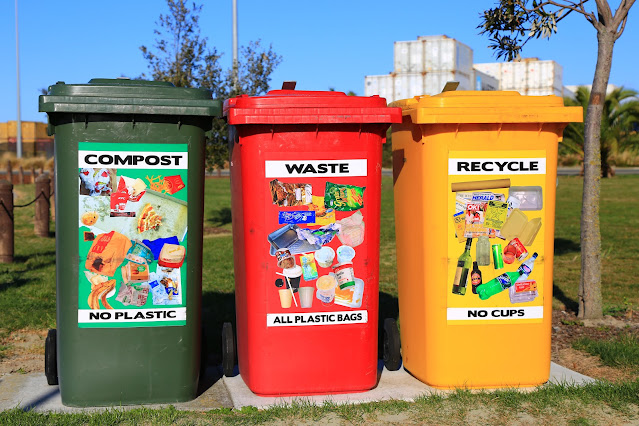


There are certain guidelines for packaging the bio hazard waste as well. These packagings are generally sealed in opaque, puncture-resistant, and leak-proof containers. It is done to ensure safe packaging and eliminate contamination.


The most common place for medical or bio hazardous waste generation is hospitals and medical facilities. However, to find out if the collected waste product is infectious or non-infectious must be rendered before disposing it in a solid waste area. It carries a very critical value as hospitals and clinics generate a large amount of potentially harmful substances that can prove lethal, if not properly handled. Proper handling is the combination of segregated, mutilated, disinfected, properly packed, and transported biohazard waste before its final disposal.


Biohazardous waste should always be kept in an inert container that must be labeled with a biohazard sign. This is because it is important to make sure that there will be no possibility of biohazardous waste leaking or spilling. The waste should be incinerated, buried, or sterilized. The choice of which method of disposal is left up to the facility that is providing the service.


In conclusion, the best way to dispose of biohazard waste is to find a registered waste disposal company in your state. It is crucial to ensure that the company is legally registered in your state and can dispose of biohazardous waste without compromising your health.


At Med Waste Solutions we believe in providing a hassle-free experience for our clients.

Comments

Popular posts from this blog

MAKE SURE YOU ARE DOING BEST FOR MEDICAL WASTE DISPOSAL IN FLORIDA

  Medical waste disposal in Florida: if you are associated with a healthcare facility you may don’t want to hurt your patients, environment or the society that you are living in by exposing all of them to pathogens. Many hospitals and medical facilities struggle to handle medical waste problems efficiently and so here are some of the steps that you can take in order to keep every safe around you. Keeping People Working Around Safe From Pathogens Pathogens from blood wastes can cause very serious diseases and to keep yourself and people working around protected against all these pathogens, use of proper equipment and code of conduct must be followed. Moreover, proper hygiene must be kept like washing hands and sensitization. Simply just by washing hands you can save many people from spreading germs as germs can spread when you touch your eyes, mouth or other parts, preparing food with unwashed hands and by just touching surfaces and other people. Contacting right medical waste...

Know your Medical Waste Disposal Company

Hospitals and healthcare departments produce lots of waste on daily basis. It is very essential to dispose of this waste in the right way as it contains harmful items which can cause various health issues. There is a number of companies that provide the facility to dispose of medical waste appropriately.   You must do quick research to find the best medical waste disposal company for your healthcare firm. Medical waste can be categorized into four types:   General Waste: General waste includes waste such as paper, plastics, liquids, and anything else that is not harmful and generated in huge amounts regularly.   Infectious Waste: It includes waste like needles, injections, surgical gloves, blood-soaked bandages, etc which can cause infection.   Radioactive Waste: It is the waste produced by nuclear medical treatments like cancer therapies and waste produces harmful radioactive radiation.   Hazardous Waste: It is caused by old drugs, sharps, a...

Not Just Beaches: Tackling Biohazard Waste in Port St. Lucie

  Port St. Lucie, a gem on Florida’s Treasure Coast, is famed not just for its pristine beaches and laid-back lifestyle but also for its innovative approaches to biohazard medical waste management in Port ST. Lucie . Here, managing medical waste is as crucial as applying sunscreen on a sunny day—both are essential for protection!   A Sunny Approach to Serious Business   In Port St. Lucie, the sun doesn’t just shine on the ocean—it also casts light on the meticulous practices that ensure the city remains as spotless as its sandy shores. The local facilities face unique challenges due to the city’s growing population and popularity as a retirement destination. This means more medical facilities, more waste, and a greater need for efficient management practices.   Local Regulations: Tailored Like a Beachwear   The local regulations in Port St. Lucie are tailored to fit the city’s specific needs like a well-designed beachwear. With a focus on communi...